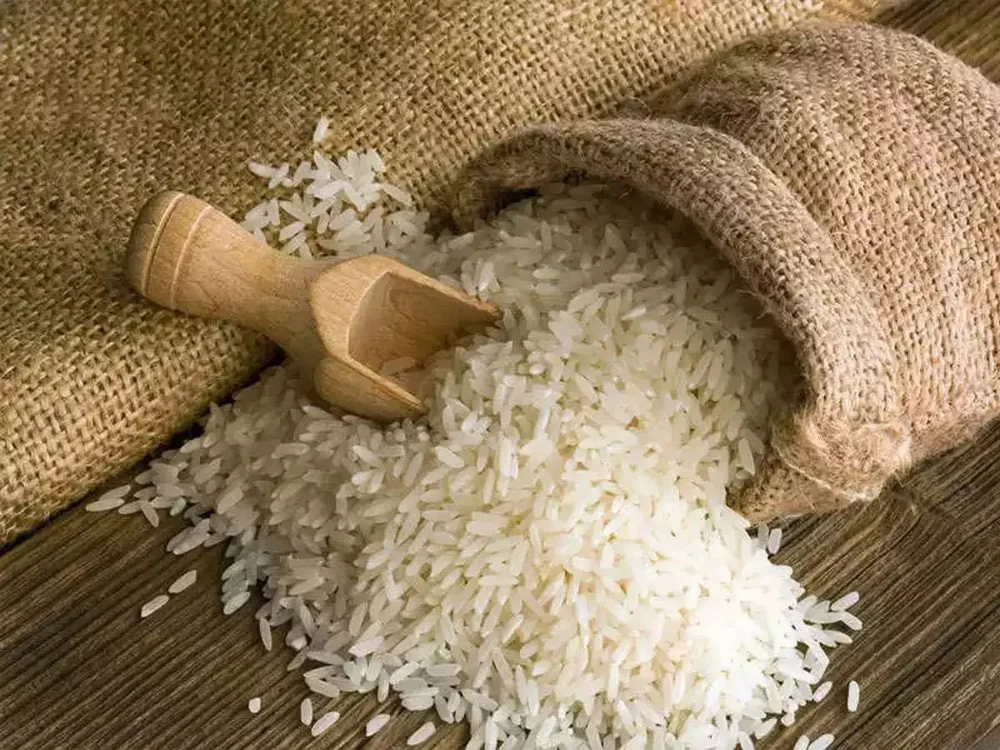
Basmati rice, often hailed as the “queen of rice,” is a long-grain variety celebrated for its distinct aroma, delicate texture, and nutty flavor. Originating from the foothills of the Himalayas, primarily in India and Pakistan, this rice has become a staple in various cuisines around the world, particularly in South Asian and Middle Eastern dishes.
1. Unique Characteristics
What sets Basmati apart from other rice varieties is its long, slender grains that elongate upon cooking. Known for its fragrant aroma, which is often likened to popcorn or pandan, Basmati rice is cultivated under specific conditions, including mineral-rich soils and a unique climate, which contribute to its exceptional qualities.
2. Culinary Uses
Basmati rice is incredibly versatile and can be used in numerous culinary applications. It is the foundation of classic dishes like Biryani and Pulao, where it absorbs rich spices and flavors, creating a fragrant and hearty meal. Additionally, it can be served as a side dish, in salads, or even as a base for risottos and rice bowls, showcasing its adaptability in both traditional and modern cuisines.
3. Health Benefits
Aside from its delightful taste, Basmati rice also offers health benefits. It is a low glycemic index food, making it a suitable option for those watching their blood sugar levels. It is also gluten-free, full of essential amino acids, and contains vitamins and minerals like B vitamins, magnesium, and iron, making it a nutritious addition to any diet.
4. Cooking Tips
To cook Basmati rice perfectly, rinse it under cold water until the water runs clear to remove excess starch. Soaking the grains for at least 30 minutes before cooking can help achieve that ideal fluffy texture. The ratio for cooking Basmati is typically 1 cup of rice to 1.5 cups of water, simmered until the water is absorbed.
5. Choosing Quality Basmati
When selecting Basmati rice, look for aged varieties, as aging enhances flavor and aroma. Premium brands often have a distinctive aroma and long grains, which are indicators of quality.
Conclusion
Basmati rice is more than just a staple food; it is significant in culinary heritage and culture. Its unique qualities and health benefits make it a cherished ingredient in kitchens around the world. The next time you prepare a dish with Basmati rice, take a moment to appreciate the heritage and flavors that make it a true culinary gem. Whether you’re indulging in a spicy Biryani or a simple vegetable stir-fry, Basmati rice elevates your meal to a whole new level. Enjoy!